Dealing with a blocked drain is frustrating and stressful, especially when the water stops flowing properly. The first thing you would do is turn to quick DIY tricks they see online.
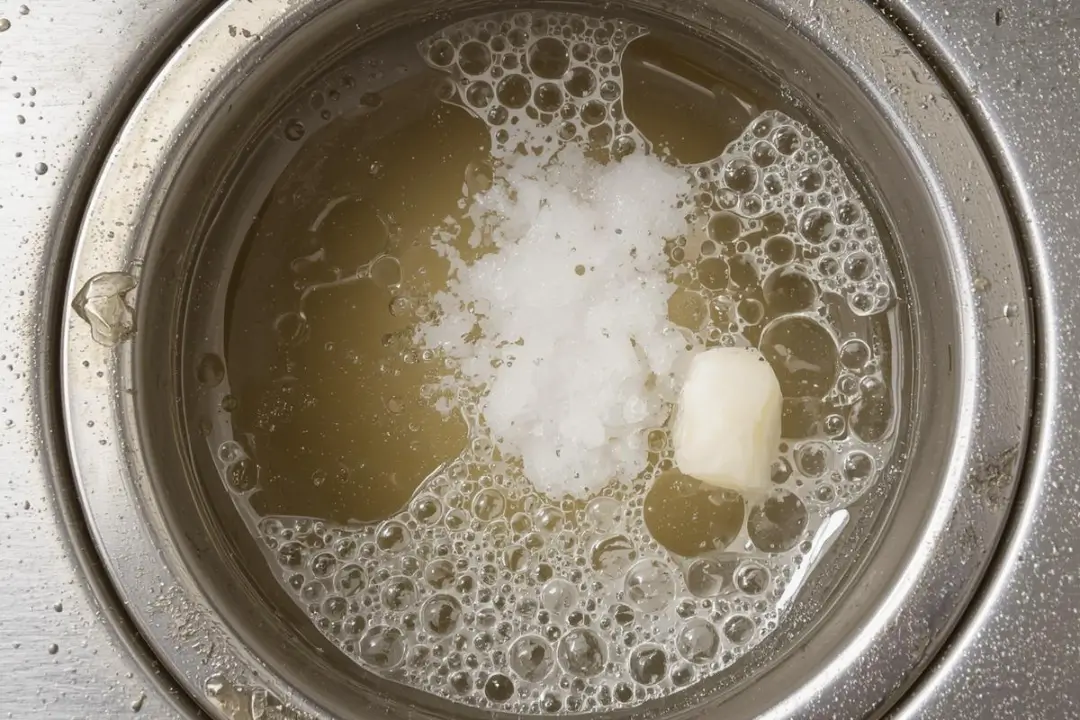
One of the most popular suggestions is pouring baking soda followed by vinegar down the drain. The fizzy reaction looks powerful and satisfying, leading many people to believe it’s clearing the blockage. Unfortunately, this viral drain-cleaning hack rarely solves the real problem. In fact, relying on it can delay proper repairs and allow a blockage to grow worse over time.
Here’s why vinegar and baking soda don't work for blocked drains.
The Baking Soda and Vinegar Drain Cleaning Myth
Baking soda and vinegar are commonly used in household cleaning because they can remove odours and break down light residue. When combined, they produce a bubbly reaction that many people assume is powerful enough to blast through a clogged drain.
The truth is much less impressive. Now here’s the catch.
When baking soda reacts with vinegar (an acid), they neutralise each other and produce carbon dioxide gas, water, and a mild salt. The bubbling that occurs is simply gas escaping during the reaction.
While this fizzing may look like it’s doing something dramatic inside your pipes, the reaction itself is actually quite weak and short-lived. Once the bubbles stop, there’s very little cleaning power left to tackle the materials that usually cause blockages.
What Really Causes Blocked Drains?
To understand why this DIY trick fails, it helps to know what typically blocks household drains.
Most clogs form gradually as debris builds up inside pipes. Some of the most common causes include:
- Hair and soap residue in bathroom drains
- Grease and cooking oils poured down kitchen sinks
- Food scraps and coffee grounds trapped in pipes
- Wet wipes or hygiene products flushed down toilets
- Tree roots entering underground sewer lines
These materials tend to stick together and harden over time, creating dense blockages that cannot simply be dissolved by a mild chemical reaction. Mostly, clogs sit deep within the pipe system where household remedies cannot reach.
Why Vinegar and Baking Soda Don’t Work for Blocked Drains
Despite its popularity online, this DIY method has several limitations that prevent it from clearing real plumbing blockages.
1. The Reaction Is Too Weak
It’s not a long-term solution. The fizzing effect of combining baking soda and vinegar only lasts for a short time and produces very little force. It cannot break. It cannot solve the clogs like grease, soap buildup, or tangled hair.
Fast Direct Plumbing specialises in tools that generate far more power, such as high-pressure water jetting or mechanical augers.
2. The Ingredients Cancel Each Other Out
Another problem is that the two ingredients neutralise one another during the reaction. Once the bubbling stops, the mixture becomes a mild saltwater solution with very limited cleaning ability. In other words, the reaction removes the cleaning power of both ingredients.
3. It Doesn’t Reach Deep Blockages
Many drain clogs occur further down the plumbing system or even inside underground sewer pipes. Even if the mixture could break down debris, it would rarely reach the actual blockage before losing its effectiveness.
4. It Can Push Debris Further Down the Pipe
If you continue to pour liquids into a partially blocked drain, it may push the debris further along the pipe rather than removing it. This can make the blockage harder to access later. When this happens, what began as a minor clog may develop into a much larger plumbing problem.
Could Baking Soda and Vinegar Damage Pipes?
While occasional use is unlikely to cause immediate damage, repeated use of acidic solutions can have negative effects on your plumbing systems.
Older homes with metal pipes may be more vulnerable to corrosion if exposed to acidic substances regularly. Over time, this can weaken pipes and increase the risk of leaks.
Another concern is pressure buildup from the chemical reaction inside confined plumbing spaces. Although the risk is generally low, it’s not a reliable or recommended way to clear drains.
Why This DIY Trick Sometimes Appears to Work
You might occasionally hear someone say that baking soda and vinegar successfully cleared their drain. This usually happens when the blockage is already very minor.
In these cases, the real solution was often something else, such as hot water flushing away small debris or the clog naturally breaking apart. The fizzing reaction simply creates the illusion that the mixture solved the problem. Unfortunately, if the underlying buildup remains inside the pipes, the drain will likely clog again.
Better Alternatives for Clearing Minor Drain Blockages
If you notice slow drainage, there are several safer methods you can try before calling a plumber.
Use Hot Water and Dishwashing Liquid
For grease-related clogs in kitchen sinks, hot water combined with dishwashing liquid can help dissolve oils and fats. The detergent breaks down grease while hot water flushes it through the pipe.
Try a Plunger
A plunger creates pressure that can dislodge small blockages near the drain opening. This simple tool is often effective for bathroom sinks, toilets, and shower drains. Make sure the plunger forms a tight seal to create proper suction.
Remove Hair from the Drain
Hair buildup is one of the most common causes of bathroom clogs. Using a simple drain tool or hook can help pull hair out of the pipe before it forms a larger blockage.
Flush Drains Regularly
Running hot water through drains occasionally can help prevent grease and soap residue from building up inside pipes.
When It’s Time to Call a Professional Plumber
DIY methods may help with minor clogs, but more serious blockages usually require professional attention.
You should contact a plumber if you notice:
- Water backing up into sinks or showers
- Multiple drains are clogging at the same time
- Persistent foul smells from drains
- Gurgling sounds coming from pipes
- Recurring blockages that keep returning
Fast Direct Plumbing professional plumbers use advanced tools to diagnose and remove blockages quickly and safely. These tools may include CCTV drain cameras, mechanical augers, and high-pressure water jetting systems designed specifically for clearing stubborn clogs.
How Professional Drain Cleaning Solves the Problem
Unlike DIY solutions, professional drain cleaning focuses on removing the entire blockage rather than temporarily shifting debris around. This approach provides a long-term solution rather than a temporary fix
Experienced plumbers can:
- Identify the exact location of the clog
- Break apart hardened buildup inside pipes
- Remove grease, hair, and debris safely
- Prevent future blockages from forming
Final Thoughts
The baking soda and vinegar trick may look impressive, but it’s not a reliable way to clear blocked drains. The reaction is simply too weak to break down the materials that typically cause plumbing clogs.
While it may occasionally help with minor residue, it rarely solves the underlying issue and can sometimes make blockages worse.
Instead of relying on internet hacks, using proven methods or contacting a professional plumber will protect your plumbing system and keep your drains flowing properly.
Got a Stubborn Clogged Drain? Let the Experts Handle It!
If your drains are slow, smelly, or completely blocked, it’s best to address the issue before it turns into a major plumbing emergency. Let our licensed plumber have the right equipment and expertise needed to diagnose the problem and restore proper drainage quickly.
Now, it’s time to clear all the clogs that halt you daily routine! Reach out to Fast Direct Plumbing and get your drains back to working perfectly today.