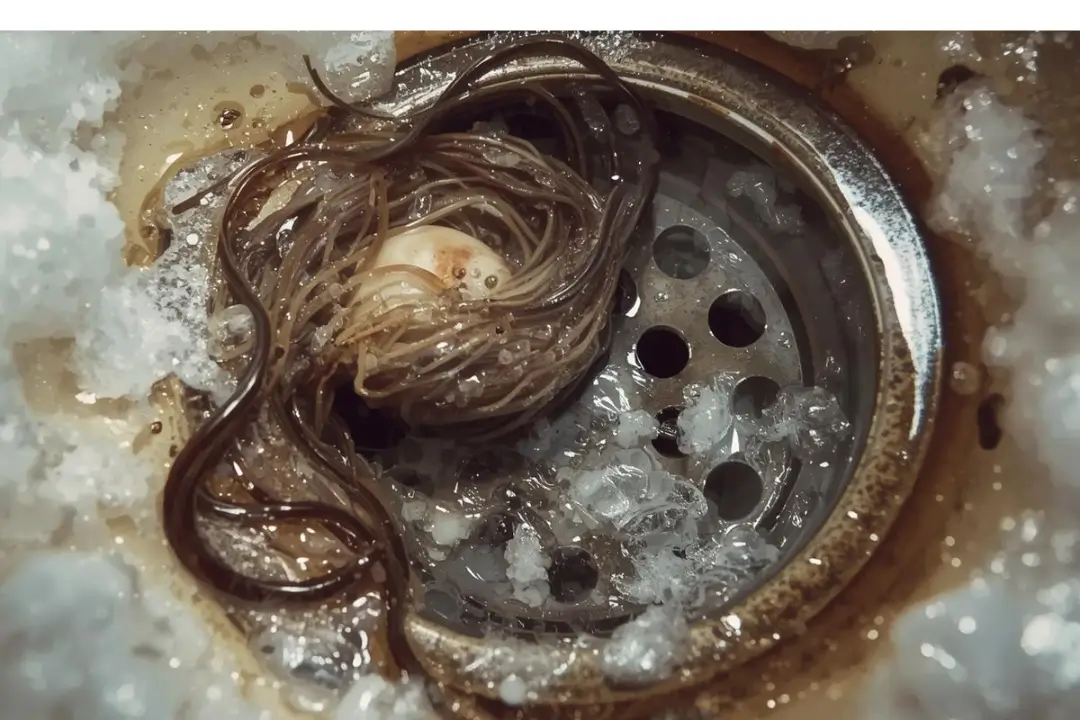
“Nah, it’s just hair.” It sounds harmless, doesn't it? But inside your drains, hair is a silent troublemaker that acts like a net, catching grease and soap scum until your pipes are completely choked. Whenever you shower, washing your face, or even cleaning up after pets, can send strands down the pipes. Over time, it causes more than you expect; it will start to smell or even damage your plumbing.
Hair is made of keratin, a tough protein that resists water, chemicals, and enzymes. It’s durable, so it doesn't just "melt" away. While some home remedies can loosen the substances that bind hair, full removal usually requires mechanical tools or professional intervention.
Safe Methods to Loosen Hair Clogs
If you’re staring at a pool of water in your shower, you probably want a fix now. Here’s how you can safely attempt to loosen that keratin-packed clog before calling in the pros.
1. Hot Water
Sometimes, the simplest solution is the best place to start. Pour hot (but not boiling) water down your drain that is enough to soften the soap scum and body oils that act as "glue" for hair clogs. Please do avoid boiling water if you have PVC pipes, as it can soften the joints!
2. Baking Soda and Vinegar
For a natural, eco-friendly approach, this classic combination can help break down the organic gunk holding the hair together:
The Method: Pour ½ cup of baking soda down the drain, followed by 1 cup of white vinegar. Cover the drain and let it fizz for 30 to 60 minutes before flushing with hot water.
It’s ideal for preventative maintenance, but it rarely has the "muscle" to clear a stubborn, fully-blocked drain
3. Chemical Drain Cleaners
You’ll see these on every supermarket shelf in Melbourne, and while they claim to dissolve hair, we recommend extreme caution. Those can rarely remove the clogs, it can only corrode older metal pipes and are dangerous to your skin and eyes.
If you use them and doesn’t work, please let your plumber know before they start work. Those chemicals staying in the pipe can be a major safety hazard for us!
4. Mechanical Removal
Since hair is so tough, physically pulling it out is usually the only way to get a "like-new" flow.
- Plungers: The pressure can sometimes dislodge hair caught near the surface.
- Drain Snakes or Augers: These tools go deep, "hooking" the hair so you can pull the entire mess out.
- DIY Hair Hooks: You can buy cheap plastic "zip sticks" from the hardware store that work wonders for shallow bathroom blockages.
When to Call a Professional
If you notice water pooling around our spaces, slow drainage despite DIY efforts, and consistent gurgling noises or foul odours, it's time to call an emergency blocked drain plumber.
Professional drain cleaning services in Melbourne use CCTV inspections and high-pressure water jetting to remove hair clogs safely and effectively. We prevent repeated problems and potential pipe damage.
Bottom Line: The Right Way to Stop Hair Clogs
Hair clogs are a persistent problem, but they can be managed with:
- Preventative care
- Safe DIY methods for minor clogs
- Professional drain cleaning for stubborn or recurring blockages
While hair doesn’t truly dissolve, combining prevention, proper maintenance, and expert help ensures your drains stay clear and functional. If you’re struggling with hair clogs or recurring slow drains, contact Fast Direct Plumbing for trusted, professional drain cleaning services in Melbourne.