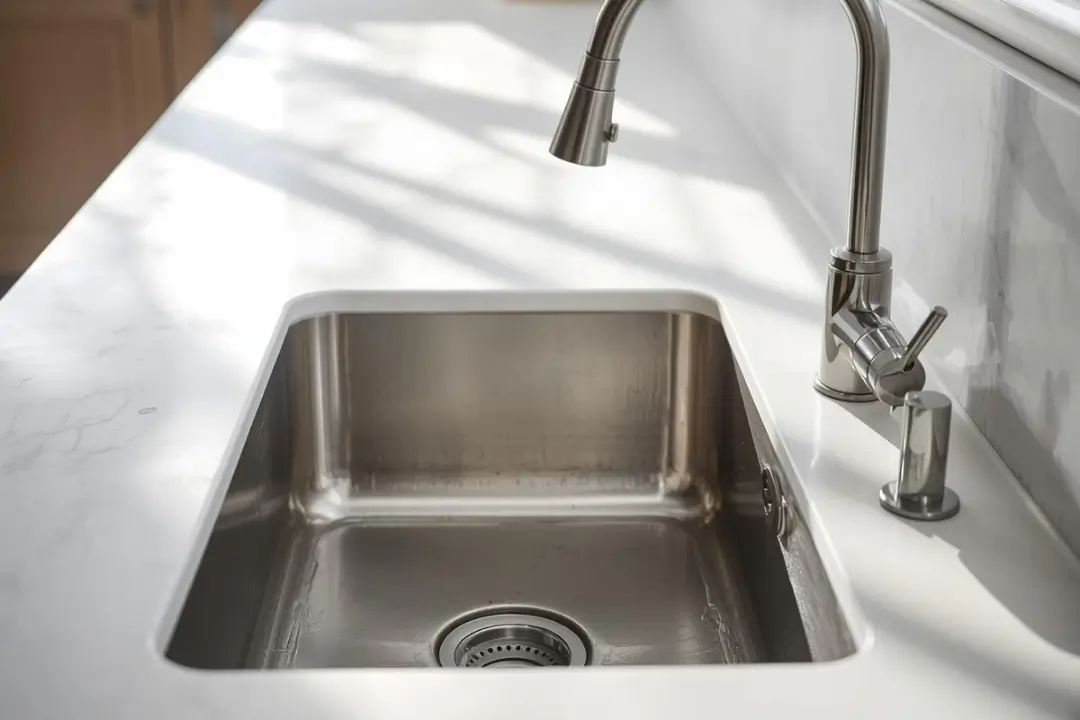
Stop! Consider what you dispose of down the drain before it costs you expensive repair. The reason you experience a slow-draining sink, a faint smell, or water pooling is because of your everyday habits we barely think twice about.
That’s why we are here to remind you of the dos and don’ts of what not to put down the drain. Having to know the basics when it comes to caring for your drains is the easiest way to avoid plumbing headaches, messy backups, and expensive call-outs.
Here’s what you need to keep in mind.
The Biggest Things You Should Never Put Down the Drain
It’s really important to take note of the things that keep your drain 'drain-ing'. Here’s why:
Fats, Oils and Grease
Your drain’s number one enemy! While it’s hot, it flows easily, but once it cools inside your pipe, it hardens into a "fatberg." It clings to the walls and traps food scraps. The right thing you should do is to let the grease cool in a container, then scrape it into the bin before washing up.
Food Scraps (Even Small Ones)
Rice, pasta, bread, and vegetable peelings are like sponges. They will absorb water and swell inside your pipes! Even homes with garbage disposals aren’t safe, as starchy waste builds up over time into a thick paste. Scrape plates into the bin or your compost heap first.
Coffee Grounds
Coffee grounds never dissolve. Instead, they settle under your sink, clump together, and mix with grease to form thick sludge. It’s a common reason why you have blockages in the kitchen. Your garden loves them! Use them for compost or toss them in the bin.
“Flushable” Wipes
Don’t let the packaging fool you. Despite the name, these wipes don’t break down like toilet paper. They tangle, snag on pipe joins, and create "concrete-like" blockages deep in the system. If it’s not toilet paper, it doesn't belong in the bowl.
Hair
Hair is the ultimate binder. It wraps around soap scum and slowly forms dense, matted "nests" inside shower and bathroom drains! Use a drain strainer or a hair catcher and clear it out weekly.
Eggshells
They might seem harmless, but eggshells are sharp and gritty! Inside pipes, they roughen surfaces and help other debris stick or hook onto the pipe, contributing to blockages.
Chemicals and Drain Cleaners
Believe it or not, store-bought chemical cleaners often do more harm than good. In older Melbourne homes, these caustic liquids can corrode metal pipes, melt PVC seals, and rarely actually remove the root of the blockage.
Chemical cleaners frequently turn a minor $150 clearing job into a major $2,000 pipe replacement.
Paint, Solvents and DIY Building Waste
Doing some home renovations? Never wash paint, plaster, grout, or concrete residue down the drain. These materials are designed to harden, and they will do exactly that right inside your plumbing.
Cat Litter and Pet Waste
Cat litter expands when wet and forms rock-hard clumps. Even “flushable” varieties are unsafe for plumbing systems.
Your plumbing system isn’t a rubbish chute. Drains are designed to handle water and wastewater only. It’s not for grease, solids, chemicals, or modern “flushable” products. It all comes down to what you allow into your pipes.
Can Hot Water Fix a Blocked Drain?
Hot water can temporarily soften grease near the surface, but it won’t remove built-up residue deeper in the pipes. Repeated flushing may delay the problem, but it won’t solve it.
That’s why professional drain cleaning services in Melbourne use high-pressure water jetting and CCTV inspections to fully clear blockages, not just mask them.
Simple Habits That Keep Drains Healthy
You don’t need fancy tools to protect your plumbing. Just a few good habits:
- Use strainers in sinks and showers
- Dispose of grease and food waste properly
- Avoid flushing anything other than toilet paper
- Flush drains weekly with hot (not boiling) water
- Skip harsh chemical cleaners
Small changes now can save you thousands later.
Final Thoughts: Small Choices, Big Plumbing Savings
Understanding what not to put down the drain is one of the simplest ways to protect your plumbing system. Most blockages don’t happen suddenly. They build up over time from everyday habits.
Change what goes down your drain, and you’ll reduce the risk of blockages, avoid emergency call-outs, and keep your home running smoothly. And, if your drains are already showing signs of trouble, don’t wait.
For trusted drain cleaning services, fast emergency plumbers, and expert advice, contact Fast Direct Plumbing today.